Many times, office managers assume their building is clean enough. The floors get swept, the bathrooms are wiped down, and the trash gets emptied. But OSHA does not measure cleanliness by how a space looks. It measures it by whether the workplace is safe for the people who use it every day. For businesses using Bay Area cleaning services, understanding what OSHA actually requires is the first step to avoiding violations, fines, and liability.
What OSHA Says About Workplace Cleanliness
The Occupational Safety and Health Administration sets workplace cleanliness requirements under 29 CFR 1910.141, which covers sanitation standards for general industry. These are not suggestions. They are legal requirements that apply to most commercial office environments in California and across the US.
The core areas OSHA focuses on include:
- Floors and walking surfaces: Must be kept clean, dry, and free of hazards that could cause slips, trips, or falls
- Restrooms: Must be cleaned and sanitized at a frequency that prevents the buildup of waste and bacteria
- Drinking water facilities: Must be maintained in a sanitary condition with clean containers and dispensing equipment
- Waste disposal: Waste receptacles must be emptied on a schedule that prevents overflow and odour
- Pest control: Vermin and insect presence must be addressed through regular cleaning and facility maintenance
Failing any of these requirements during an OSHA inspection puts your business at risk of citations and monetary penalties that increase with repeat violations.
Restroom Standards: The Most Cited Area in Office Buildings
OSHA mandates a minimum number of toilet facilities based on employee headcount. One toilet for up to 15 employees, two for 16 to 35, and the number continues to scale from there. Beyond the count, the facilities must stay sanitary throughout the workday.
For offices with heavy traffic restrooms, daily cleaning is the floor only, not the ceiling. High-touch surfaces like door handles, faucets, and flush levers carry the highest germ transfer risk and need to be disinfected multiple times per day in larger facilities.
This is where consistent janitorial services in Bay Area make a measurable difference. A scheduled team that covers restrooms, trash, and surface disinfection throughout the day keeps the facility within OSHA requirements without putting that responsibility on your own staff.
Floor Safety and Surface Maintenance
Slips and falls account for a significant portion of workplace injuries. According to the National Safety Council, falls are among the leading causes of non-fatal workplace injuries in the US every year. OSHA requires that walking surfaces in offices remain free of wet spots, debris, and hazardous conditions.
This means cleaning schedules need to account for:
- Wet mopping followed by floor drying to prevent slip hazards
- Immediate response to spills, not just scheduled cleaning times
- Regular stripping and refinishing of hard floors to maintain a non-slip surface condition
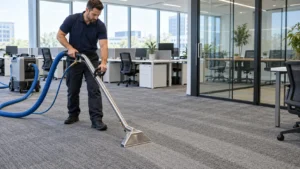
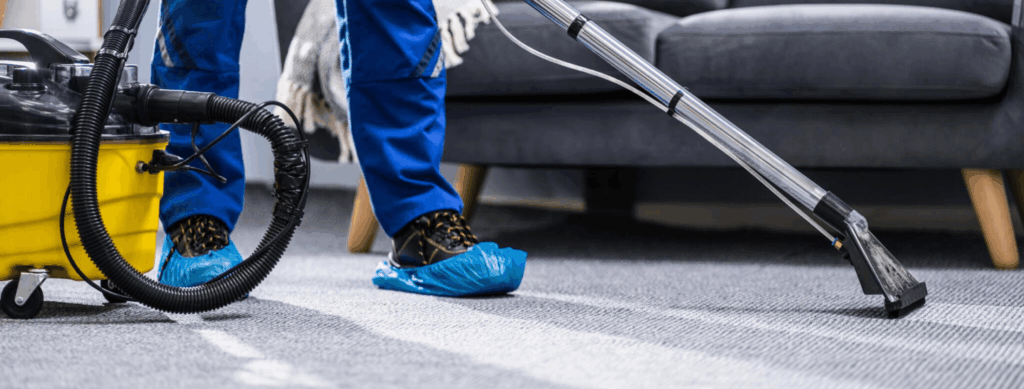
- Carpet maintenance that prevents fraying, lifted edges, or buckled sections that create trip hazards
Stripping and waxing floors on a regular schedule is not just about appearance. It is part of keeping the surface in a condition that meets safety requirements and holds up under daily foot traffic.
Indoor Air Quality and Surface Disinfection
OSHA does not have a single indoor air quality standard for offices, but the General Duty Clause requires employers to provide a workplace free from recognized hazards. Poor cleaning practices contribute directly to poor air quality through dust accumulation, mould growth in neglected areas, and chemical residue from improper product use.
What affects indoor air quality in an office setting?
- Dust on surfaces, vents, and above-ceiling-height fixtures
- Mould or mildew growth in restrooms, kitchens, or near windows
- Cleaning product residue from non-diluted or incorrectly applied chemicals
- Carpet fibres holding allergens, bacteria, and particulate matter over time
A cleaning team that uses OSHA-compliant products at the correct dilution rates and understands proper ventilation during cleaning reduces these risks rather than adding to them.
How Often Does an Office Building Need Professional Cleaning to Stay Compliant?
This depends on the size of the space, the number of employees, and the type of work happening inside. A general framework for office buildings looks like this:
- Daily: Restroom sanitation, trash removal, high-touch surface disinfection, floor sweeping or vacuuming
- Weekly: Mopping hard floors, wiping down common area surfaces, kitchen and break room deep clean
- Monthly: Carpet cleaning in high-traffic zones, window cleaning, and deep restroom sanitation
- Quarterly or as needed: Floor stripping and waxing, upholstery cleaning, vent and duct area cleaning
Falling behind on any of these creates the conditions that lead to OSHA citations, employee health complaints, and increased sick days across your team.
OSHA Compliance Is an Ongoing Commitment, Not a One-Time Task
One of the most common mistakes office managers make is treating cleaning as something that happens in the background without any accountability. OSHA compliance requires documentation, frequency, and consistency. A cleaning log that shows when areas were serviced and by whom gives you a record that protects your business if an inspection happens.
Janitorial services in Bay Area that operate on a contract basis provide that consistency and can supply service records on request. That paper trail matters more than most businesses realize until they need it.
JJ & CC Cleaning provides commercial cleaning and Bay Area cleaning services for offices, commercial buildings, and multi-use properties across the region. Contact us today, and we will put together a cleaning schedule that keeps your office compliant, safe, and running without interruption.